A T-PLUS game • Coming to iPhone

Steer where it will be, not where it is.

Lightlag is a one-thumb rover game where every command crosses space at the real speed of light. It lands seconds after you send it, so you drive your rover's future.

A tribute to Voyager 1, which reaches one light-day from Earth on 18 Nov 2026 at 10:16:07 UTC.

Try the delay Live demo · PATHFINDER

Tap to brake · double tap to brake hard

Real gameplay, Mars, mission 7. Each cyan icon is a command still crossing the gap.

01 How it plays

One thumb. Three commands. All of them late.

You drive real-style rovers from Earth. Every command leaves as a cyan pulse and lands after the light delay, compressed so a drive fits in your hand. By the time it arrives, the rover has moved on.

  1. Drag to steerDrag left or right to bend the cyan path round craters and boulders. The path is your rover's future: where it will be when the command lands.
  2. Tap to brakeA brake leaves Earth the moment you tap. When it lands, the rover rolls a few more metres and stops. Stop inside the science ring for stars.
  3. Double tap to brake hardTap again right after and that brake lands as a hard stop, in a fraction of the distance. Every rover in the fleet brakes and steers differently.

No game over. Miss the ring or roll off an edge and you run the same course again: every mission is the same ground every time, so you can learn it.

02 Time, compressed

Real delays, from 1.3 seconds to an hour and a half.

Each world drives at the real one-way light time of a documented moment, like Perseverance's landing day on Mars. Lightlag compresses time so the delay fits on screen, and the screen always says by how much.

WorldReal one-way light timeTime factorOn screen
The MoonLunokhod 1 lands, 17 Nov 19701.3 sx11.3 s
VenusVenera 13 lands, 1 Mar 19823 min 41 sx693.2 s
MarsPerseverance lands, 18 Feb 202111 min 22 sx1704.0 s
PhobosPhobos 2's last signal, 27 Mar 198914 min 50 sx2114.2 s
RyuguMINERVA-II hoppers, Sep 2018about 16 minx2244.3 s
Comet 67PPhilae lands, 12 Nov 201428 min 20 sx3544.8 s
EuropaEuropa Clipper reaches Jupiter, 11 Apr 203037 min 53 sx4475.1 s
TitanHuygens lands, 14 Jan 200567 min 7 sx7055.7 s
EnceladusCassini's plume dive, 28 Oct 201590 min 14 sx8956.0 s

The time factor speeds up the rover by the same amount, so every drive keeps the real ratio of distance to delay. The farther the world, the longer you wait and the earlier you must act.
03 Nine worlds

The level ladder is the solar system.

Start on the Moon and Mars. Each world after opens with stars on the one before, and every step out is a longer delay, rougher ground and a smaller ring. From Ryugu on, hard terrain joins in: boulder walls, ice vents, rockfalls and cracks in the ice.

  • The Moon1.3 s
  • Mars4.0 s
  • Venus3.2 s
  • Phobos4.2 s
  • Ryugu4.3 s
  • Comet 67P4.8 s
  • Europa5.1 s
  • Titan5.7 s
  • Enceladus6.0 s

04 The fleet

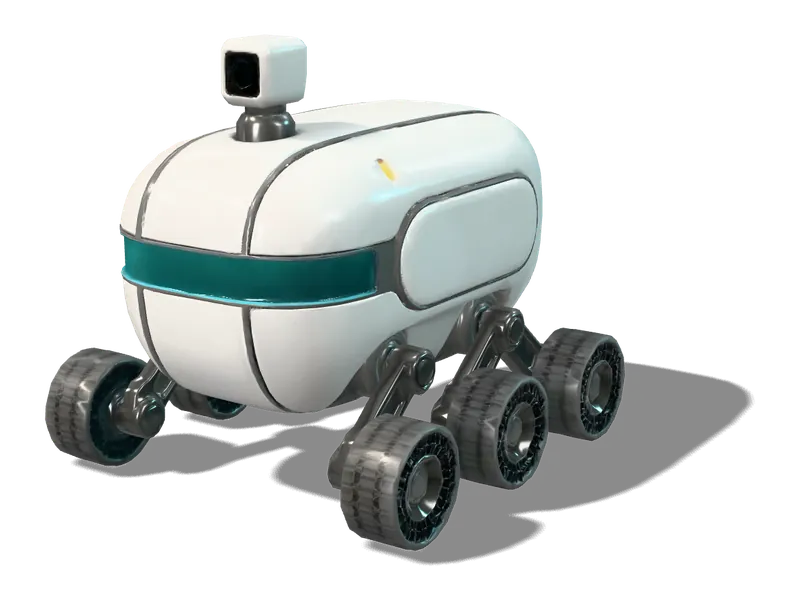
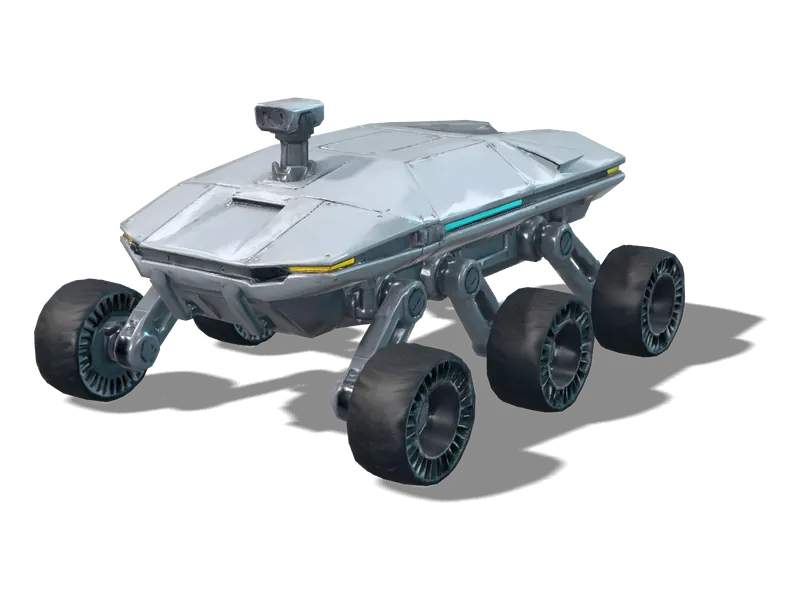
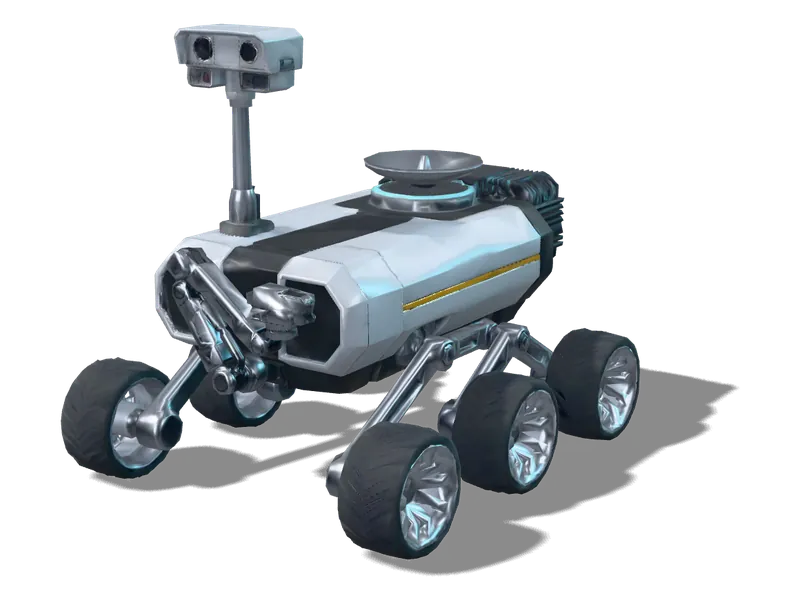
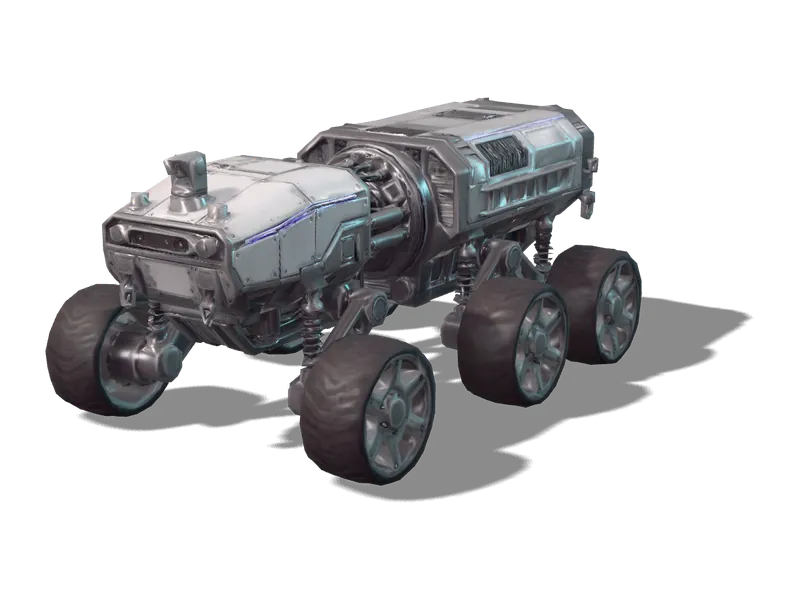
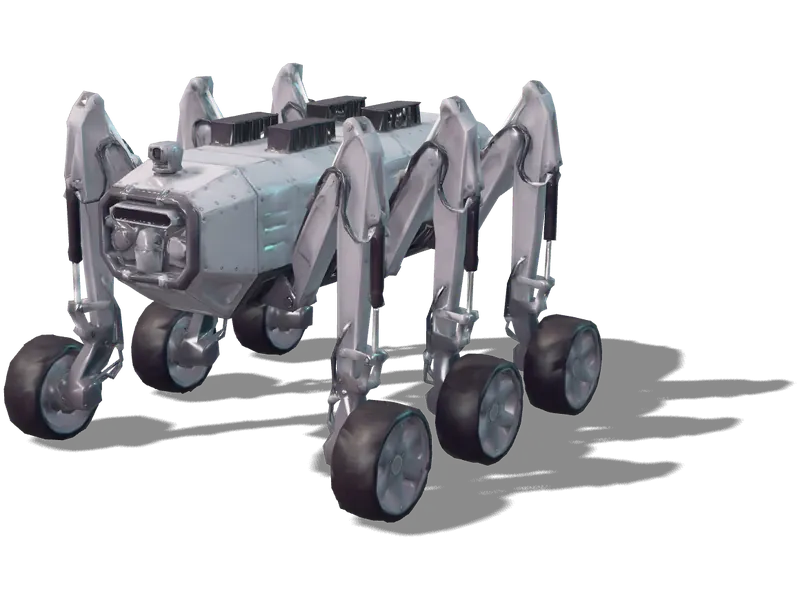
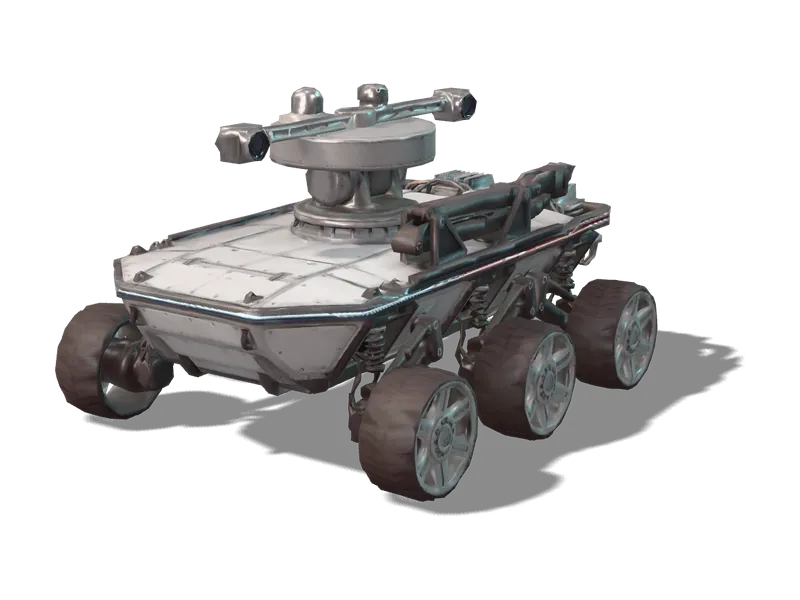
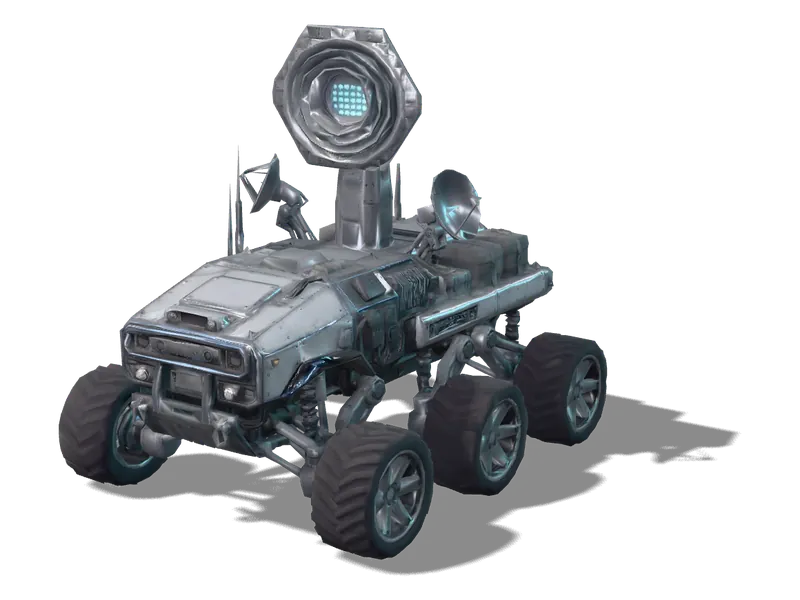
Eight rovers. No two stop alike.

Perks change how a rover brakes and steers, never how fast light travels. Earn four with range. Four premium rovers bring abilities that change the rules: an autopilot, a hop, a laser and an orbital relay.

05 Range is the rank

Your rank is the light your commands have crossed.

Every command that lands adds its real light time to your range. One brake on Mars is 11 minutes of light. Keep driving and range opens new rovers, from six light-hours out to two light-years.

  • Game CenterLeaderboards for range, stars and lifetime science, and 31 achievements, each with its own embroidered patch.
  • Fair boardsRuns helped by a rover ability never reach the leaderboards. Only hands on the wheel count.
  • StarsThree bands per mission: stop within 2 m, 1 m or 30 cm of the ring's centre.
  1. 1 light-hourFirst range badge
  2. 6 light-hoursSENTINEL
  3. 1 light-daySTRIDER · as far as Voyager 1
  4. 1 light-weekHORIZON
  5. 1 light-monthTANGENT
  6. 1 light-seasonCAIRN
  7. 1 light-yearPARALLAX
  8. 2 light-yearsPULSAR
  • Certified Driver patchCertified Driver
  • Bullseye patchBullseye
  • First Light patchFirst Light
  • First Core patchFirst Core
  • One Light-Day patchOne Light-Day
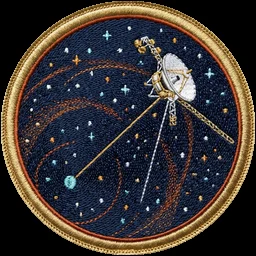
  • Voyager Day patch: Voyager 1 among starsVoyager Day
  • Master of Mars patchMaster of Mars
  • Master of Titan patchMaster of Titan
  • Master of Enceladus patchMaster of Enceladus
  • Full Fleet patchFull Fleet

06 Science on Mars

Not just driving. Photos home and cores sealed.

Jezero crater has more than science drives. Every task still waits on the light.

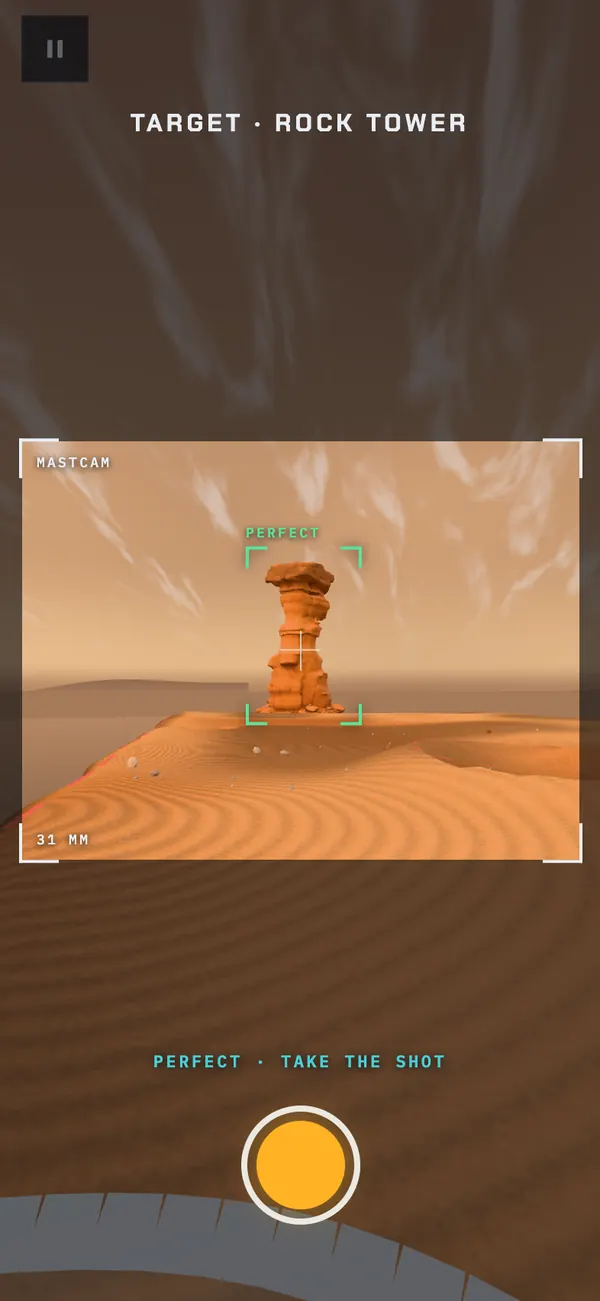
A Mars photo mission: the mast camera frames a rock tower, marked PERFECT, take the shot.

Photo to Earth

Aim the mast camera on a model of the terrain and press the shutter. The command crosses the gap, the rover takes the shot when it lands, and the picture takes the delay again to come home. Bring back the butte, the hill and the tower.

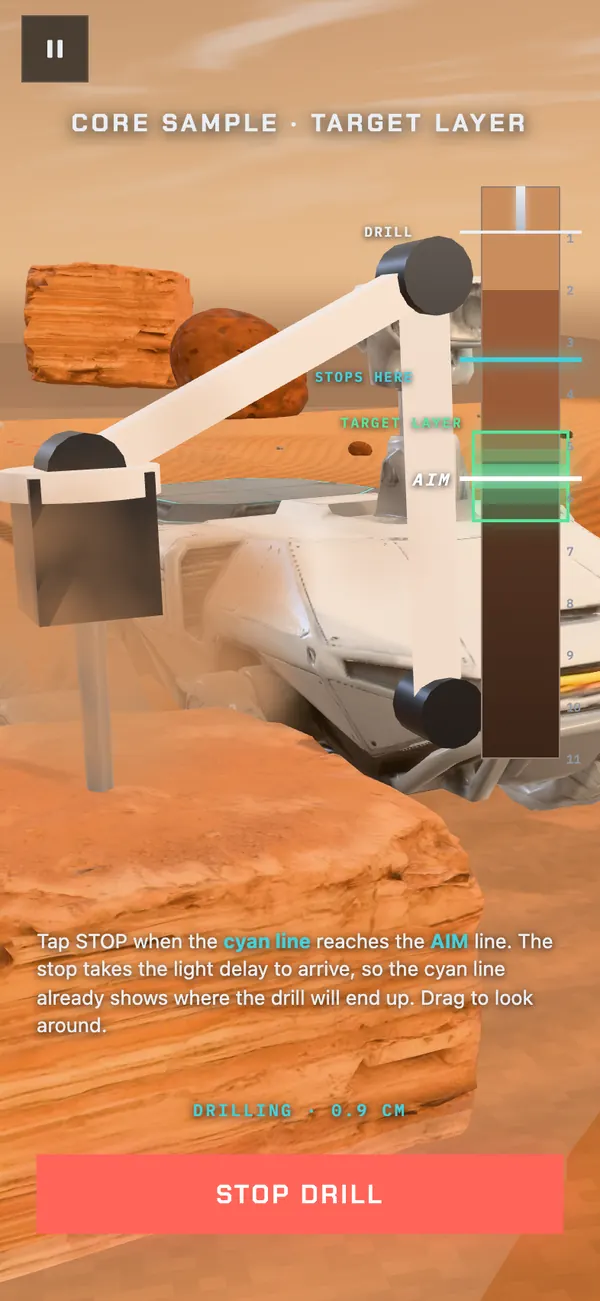
A Mars core-drill mission: the drill arm over layered rock, with a depth gauge showing the target layer and where the bit will stop.

Core drill

The bit sinks into the rock while your stop command is still in flight. Send it early enough to stop inside the target layer, before the bit reaches bedrock and breaks the core. Seal ten to fill your sample cache.

07 A tribute to Voyager 1

One light-day from Earth.

Launched in 1977, Voyager 1 is the farthest thing people have ever built. On 18 November 2026 it becomes the first one a full light-day from Earth: a message sent then takes a whole day to arrive. Lightlag is built around that gap.

Read the tribute
Light from Earth to Voyager 1, now 23 h 59 min 25.89 billion km From NASA JPL Horizons. Drive a light-day of range and STRIDER joins your fleet.

08 Coming to iPhone

The signal is on its way.

Lightlag is in testing now. Want a place in the beta, or one note when it is out? Email us and we will write back when there is something to install. No newsletter, no list sold or shared.

Launch news posts first on T-PLUS: youtube.com/@tplushqinstagram.com/tplushq